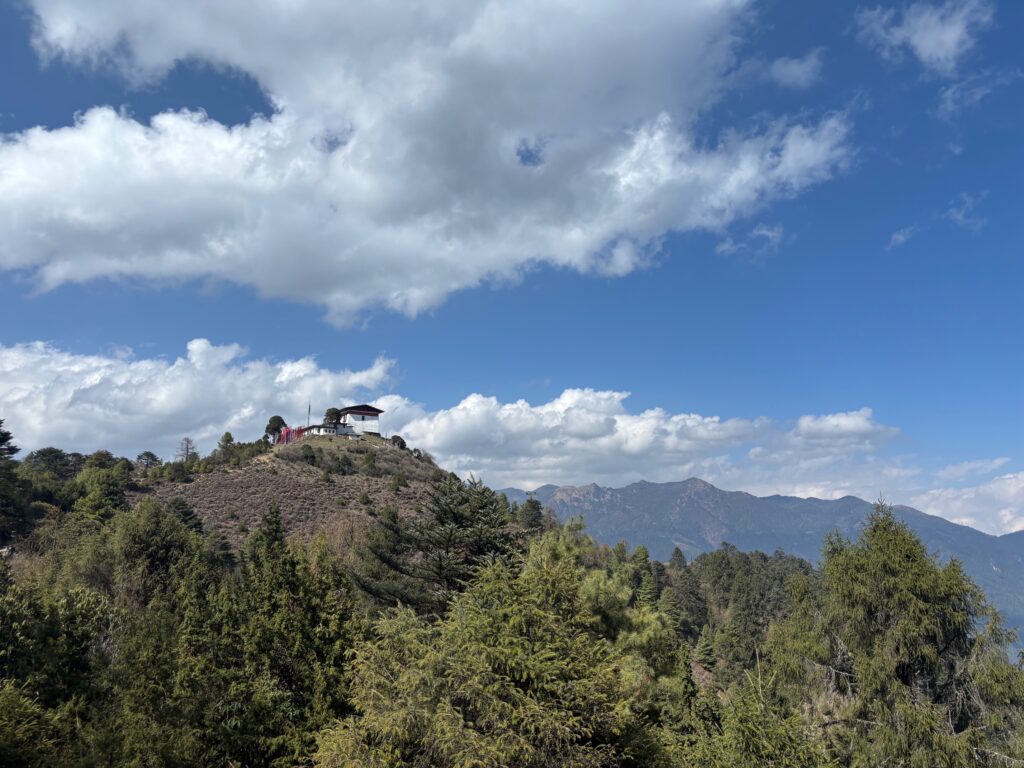
From 20–22 April 2026, the Mountain Research Initiative (MRI) participated in the Second Mountains Connect Inter-regional Workshop in Thimphu, Bhutan, bringing together over 50 representatives from mountain regions across the world to exchange experiences on climate adaptation, regional governance, mountain monitoring, and science–policy collaboration. The workshop was jointly organized by UNEP, ICIMOD, and the Royal Government of Bhutan under the Adaptation at Altitude programme.
Participants represented mountain regions including the Andes, Alps, Carpathians, East Africa, the Hindu Kush Himalaya, Central Asia, and the South Caucasus. Discussions focused on advancing inter-regional collaboration, strengthening mountain governance, improving access to finance and monitoring systems, and increasing the visibility of mountain ecosystems within global environmental processes.
A recurring theme throughout the workshop was that mountain ecosystems are increasingly threatened by climate change and unsustainable resource use, while also playing a critical role in achieving global biodiversity and climate targets under the Rio Conventions. Participants emphasized that accelerating mountain risks require stronger collective action, enhanced regional cooperation, and closer integration between science, policy, and local communities.
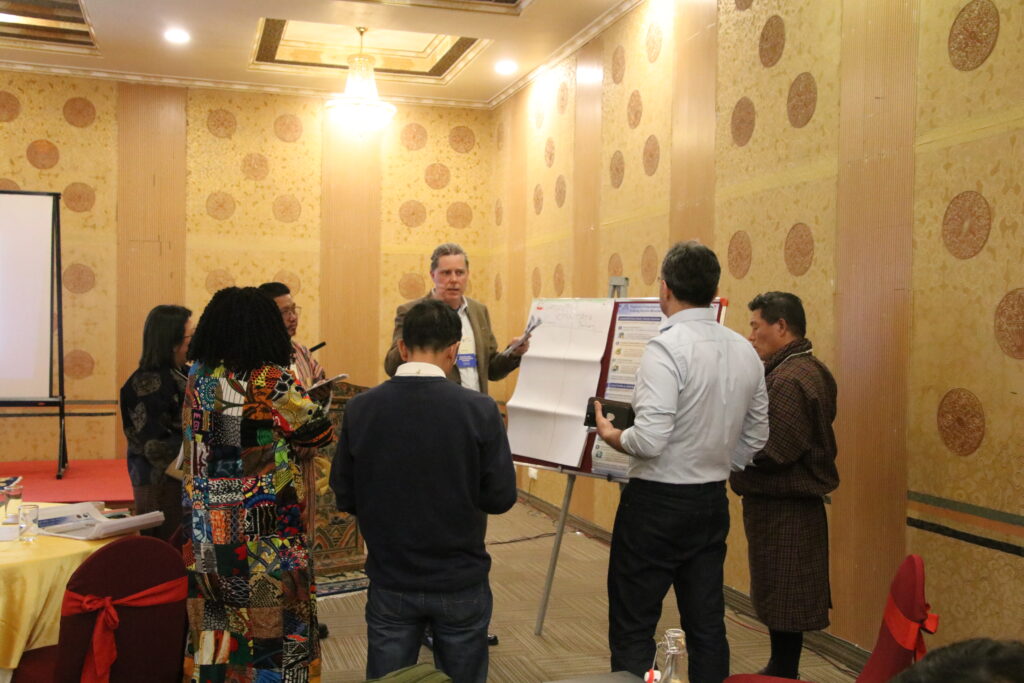
MRI contributed actively to several components of the workshop, including the facilitation of the “Data, Monitoring and Governance” Base Camp session under GEO Mountains. Delivered in five rotating interactive sessions, the Base Camp introduced participants to issues surrounding mountain monitoring, FAIR and CARE principles, open data, and the governance challenges associated with mountain observation systems.
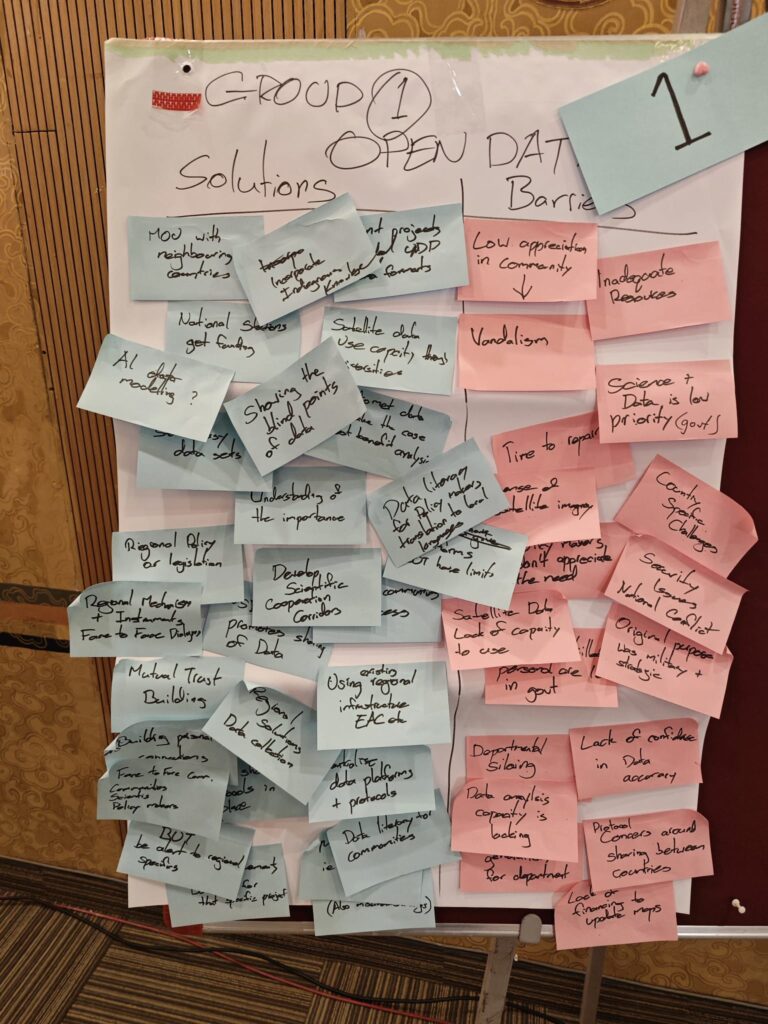
Using infographic posters and participatory exercises, participants explored both barriers and practical solutions for improving mountain data systems. Discussions highlighted that many challenges to open and coordinated mountain data are not simply technical, but linked to governance, institutional culture, long-term financing, trust, and sustainability of monitoring systems. Participants emphasized the importance of community and government buy-in, stronger communication materials to explain the value of observations to policy makers and local communities, and long-term investment in maintaining monitoring infrastructure. One example discussed during the session highlighted how direct funding incentives linked to data sharing helped encourage more open data practices among national observatories. Participants also stressed the importance of capacity building, trust-building, and practical demonstration of the policy value of mountain observations and hydrometeorological data.
A Bhutan case study presented by representatives from the National Center for Hydrology and Meteorology (NCHM) demonstrated how rehabilitation and upgrading of a high-altitude weather station near Thana Glacier has helped strengthen long-term monitoring capacity, local technical expertise, and future pathways toward open mountain data systems.
MRI also contributed to the facilitation of the Tamlar 2.0 simulation exercise, an interactive role-playing activity exploring the complexity of transboundary mountain governance and climate adaptation decision-making. Participants took on the roles of government agencies, researchers, local communities, tourism operators, and civil society actors to negotiate a fictional ecosystem restoration project in a shared mountain range. The exercise highlighted the importance of trust, dialogue, and inclusive governance in strengthening regional cooperation and climate adaptation.
The workshop also included thematic discussions on resource mobilization, communication and stakeholder engagement, territorial governance, and pathways for strengthening interregional mountain collaboration. Participants repeatedly stressed the need to place mountain communities at the centre of adaptation efforts while strengthening the science–policy interface, improving coordination across sectors and borders, and promoting more integrated and systems-based approaches to mountain resilience.
The Mountains Connect workshop contributed to ongoing global discussions around mountain resilience, climate adaptation, biodiversity, cryosphere change, and sustainable mountain development, while also helping inform future collaboration under the emerging Mountains Connect framework and upcoming global policy processes, including the Rio Conventions and the Bishkek+25 Summit.